
— Now accepting interest
The Executive Men's Health Certification
Become the men's health expert other professionals refer to.
The only men's health certification built for both clinicians and coaches, through specialized tracks held to one uncompromising standard.
Men are not a lab panel, a prescription, and a workout plan taped together. Learn to solve the whole system.
The Gap
Men's health does not have an information problem. It has an integration problem.
Male physiology does not care about professional silos.
The clinician fixes the protocol. The coach fixes the plan. Both can be right, and the man still feels like hell
and the man still feels like hell because nobody connected the system.
This certification was built to end that.
Two distinct tracks. One uncompromising standard.
Track 01
Clinician Track
Become the prescriber other professionals trust with the cases they cannot solve.
For clinicians who want to move beyond standardized protocols and develop deeper clinical judgment in men's health.
01
Advanced androgen management and treatment optimization
Go beyond protocol initiation and learn how to evaluate persistent symptoms, discordance between laboratory findings and clinical presentation, dose timing, delivery methods, adherence, and other variables that may affect treatment response.
02
Complex endocrine and reproductive considerations
Develop a more rigorous approach to cases involving estradiol, fertility preservation, thyroid dysfunction, prolactin abnormalities, SHBG, androgen sensitivity, and other factors that can complicate treatment.
03
Interpreting the full clinical picture
Learn how to integrate symptoms, laboratory data, medical history, medications, body composition, sleep, stress, alcohol use, nutrition, and training when evaluating outcomes.
04
Lifestyle variables that influence medical outcomes
Understand how resistance training, cardiovascular conditioning, energy balance, protein intake, recovery, and metabolic health can support, or undermine, the effectiveness of a medical intervention.
05
Patient adherence and behavioral implementation
Improve how you assess readiness, identify barriers, communicate risk, and create realistic treatment plans for high-performing men who often understand the recommendation but struggle to execute it consistently.
06
Clinical operations and cash-pay practice development
Examine pricing, patient experience, documentation, follow-up systems, interdisciplinary collaboration, scope, risk management, and the operational structure of a premium men's health practice.
Track 02
Coach Track
Become the coach physicians trust with their patients, and men trust with their health.
For coaches who want the clinical literacy to work more effectively with men over 40, without crossing into diagnosis or treatment.
01
Foundations of laboratory interpretation
Learn how to review common biomarkers related to metabolic health, thyroid function, lipids, hematology, liver and kidney function, glucose regulation, and male hormones within the appropriate clinical context.
02
Reference ranges, trends, and clinical relevance
Understand why a single laboratory value rarely tells the entire story, how to recognize meaningful patterns over time, and when findings warrant referral to a licensed medical provider.
03
Coaching clients who use common medications
Understand the practical training, nutrition, recovery, and body-composition considerations associated with TRT, GLP-1 receptor agonists, statins, SSRIs, antihypertensives, and other commonly prescribed medications.
04
Professional scope and interdisciplinary communication
Learn how to communicate observations clearly, document appropriately, collaborate with physicians, and distinguish coaching recommendations from medical assessment, diagnosis, and treatment.
05
Programming for men over 40
Apply training principles that account for injury history, reduced recovery capacity, cardiometabolic risk, work demands, travel, sleep disruption, stress, and the need to preserve strength, muscle mass, and physical function.
06
Nutrition and body-composition strategy
Build evidence-informed nutrition systems around energy balance, protein intake, nutrient timing, alcohol exposure, appetite regulation, metabolic health, and the realities of executive schedules.
07
Case analysis and decision-making
Work through complex client scenarios involving fatigue, poor recovery, stalled body composition, low libido, inconsistent adherence, abnormal laboratory findings, and competing medical and lifestyle variables.
08
Building a higher-level men's health coaching practice
Develop your assessment process, referral network, client communication, service model, and pricing around professional judgment and measurable outcomes rather than generic programming.
Built by
Built by the people who were already defining the category.
Before this certification existed, we were already bringing physicians, coaches, researchers, and men's health leaders together through the Silverback Summit, the only event built around this integrated model of men's health education.
The Summit brought the disciplines together.

This certification turns that model into a professional standard.
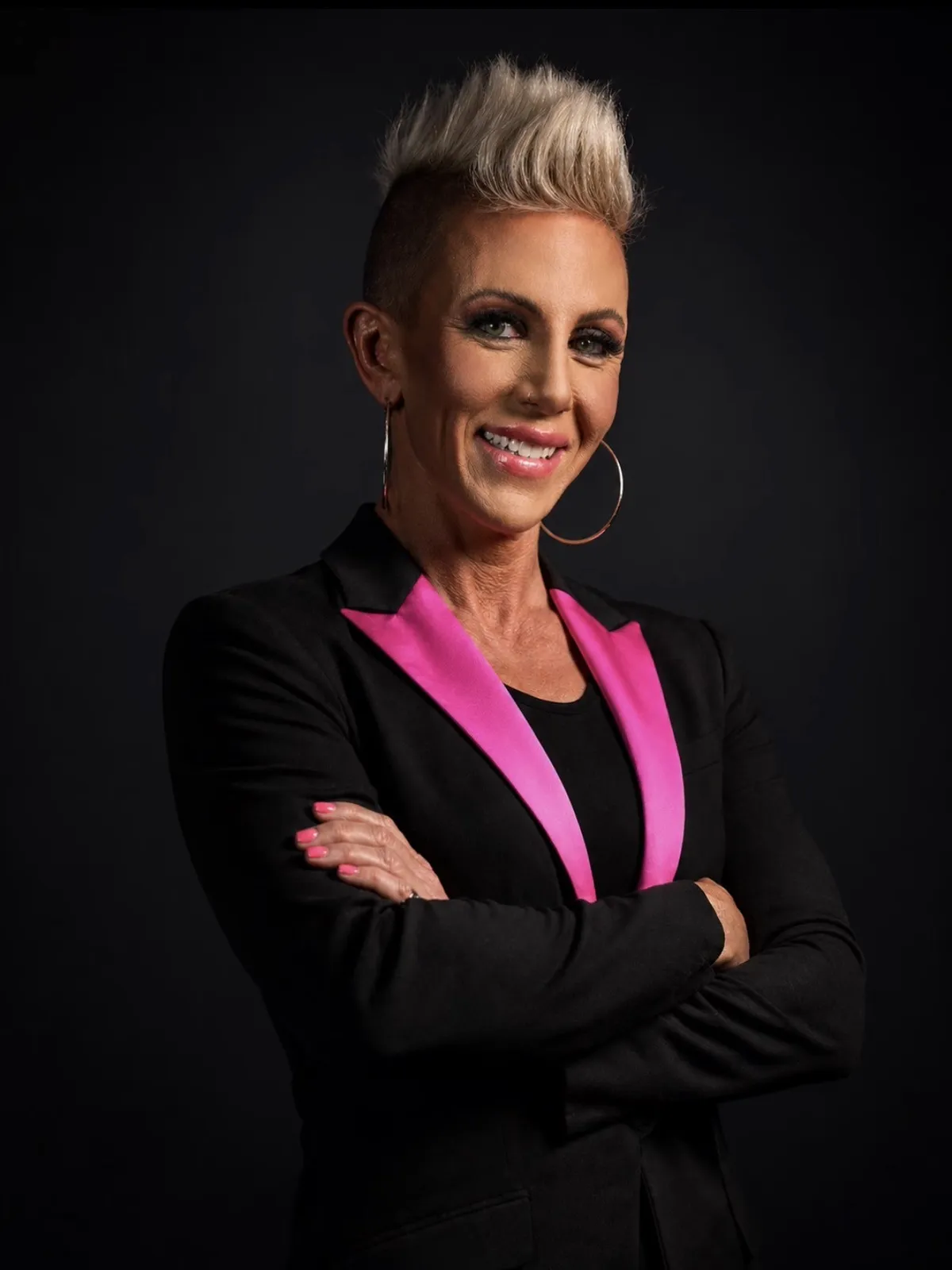
Ali Gilbert
Co-Founder
Ali Gilbert is the founder and creator of the Silverback Summit, the only event built around the integrated men's health model this certification now formalizes: clinicians, coaches, researchers, and practitioners learning to see the whole man rather than one isolated piece of him.
The Summit brings medicine, hormones, training, nutrition, sexual health, body composition, performance, and behavior into the same room, because men's health outcomes cannot be separated from the life a man actually lives.
Ali built the coach track for professionals who need to understand far more than sets, reps, and macros. She teaches coaches how to understand the full context surrounding a man's labs, communicate intelligently with medical providers, coach complex lifestyle variables, remain firmly inside their scope, and deliver the level of certainty serious clients expect.
She also brings clinicians the training, nutrition, recovery, behavior, and execution systems that determine whether a medical protocol succeeds outside the exam room.
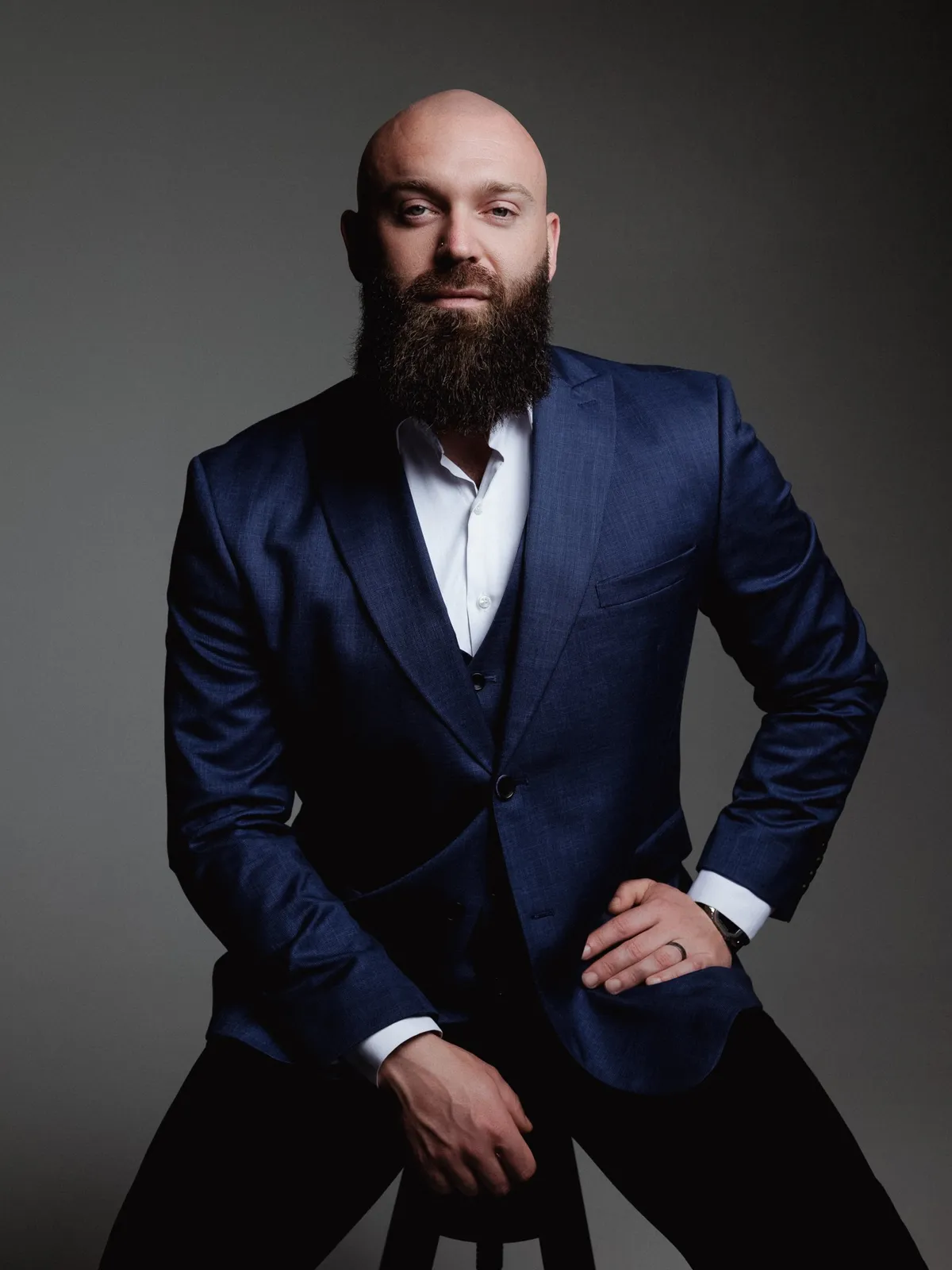
Dave Lee
Co-Founder
Dave Lee built the clinical standard beyond basic prescribing, cookie-cutter hormone protocols, and surface-level symptom management.
His curriculum takes clinicians into the complex cases that demand deeper judgment, better troubleshooting, and a more complete understanding of male physiology.
He also teaches coaches how to understand medical interventions, interpret clinical context, communicate intelligently with physicians, and recognize exactly where their scope ends.
Together, Ali and Dave represent both sides of the standard: the medical decisions that shape a man's care, and the daily execution that determines whether those decisions actually work.
Launching soon
The new standard in men's health starts here.
The founding cohort will be the first trained to the standard the field has been missing.
The question is not whether this level of expertise will become necessary.
It is whether you will have it before everyone else does.
Join the interest list
Founding-cohort details, pricing, and enrollment dates go to this list first.
Men's health, to one standard.